It takes time

Building a therapeutic relationship with a person takes time. I find that it takes about 8 weeks of regular weekly sessions before the relationship builds. During this initial time, it can seem like the person isn’t even aware that I am there, or indicates that he or she doesn’t want me there.

During these first few weeks, I find it’s useful to balance the session length. Even if the session if for 30 minutes, sometimes I may end the initial sessions after 10 minutes. It’s based on quality rather than quantity. I find that initially the person may engage for a short while and then stop engaging, if I push on at this stage, it often has a detrimental effect for future sessions.

So, if you’re building a therapeutic relationship with a person, if you feel that there is no progress or the person prefers you to not be there, know that it just takes time.

Impact of PhD Research on Families with Disabilities

I have been privileged to be invited to have an article written about my PhD work with families of children with disabilities by Victoria University of Wellington, New Zealand. It highlights the practical nature of my PhD and how I continue to use these skills in my clinical work to help families. Read by the article by clicking the link below.

Article on PhD work with Families

Best Microphones for Kids: Enhance Creativity & Confidence

Children love using microphones! In my years of working with kids in music therapy, I’ve seen firsthand how amplifying their voices can ignite their creativity. When they hear their voices projected, they are often filled with wonder, which encourages them to experiment and make even more sounds.

Empowering Through Music

Microphones can also serve as powerful tools for empowerment, especially for children who enjoy singing. By using a microphone, kids not only hear their own voices more clearly but also build confidence in expressing themselves—both for their own enjoyment and for sharing with others.

My Top Microphone Recommendations

Based on my experience, here are two microphones that work exceptionally well for kids:

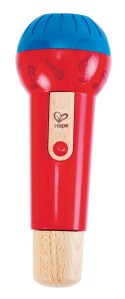
Hape Mighty Echo Microphone

    This simple yet effective echo microphone is made of durable plastic and features a spring mechanism that amplifies sound without the need for batteries. Priced at about $20, it’s an affordable option that encourages exploration and creativity, making it perfect for younger children.

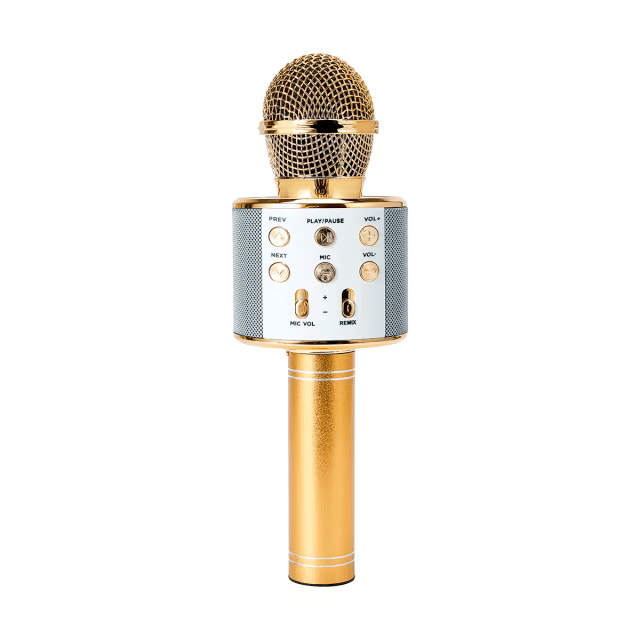
    Bluetooth Karaoke Microphone

    For a more advanced option, consider the Bluetooth Karaoke Microphone. It boasts a built-in speaker and is USB rechargeable, so there are no batteries to replace. Its cordless design makes it convenient for kids to use, and it can connect to Bluetooth devices for singing along to their favorite songs. Priced around $20 from KMart, it’s likely to become a family favorite—who knows, adults might just borrow it for their own karaoke nights!

    A Perfect Gift Idea

    Both of these microphones make fantastic gifts for birthdays and holidays! They can inspire joy and creativity in any home. I encourage you to try them out and see how they enhance your child’s musical journey. I’d love to hear about your experiences—share your stories and let me know how these microphones worked in your household!

    Difference between a Music Therapist and a Music Teacher

    A music teacher focuses on teaching the elements of music. The elements of music are pitch (high and low), rhythm (the beat), timbre (the instrument), expression (loud and soft), etc.

    A music therapist focuses on using music to help people with their emotional, physical, social and cognitive (thinking) needs. Thus a music therapist focuses on therapy goals rather than teaching goals.

    Often the activity being done by a music therapist or music teacher can look the same. For example, both can appear to teach a person to play 3 Little Birds by Bob Marley on the guitar. The music teacher will focus on teaching the person to may a song properly – with a steady beat, the right chords, the right riff etc. However, the music therapist will focus on using the song to enable the person to play it and get a sense of satisfaction (emotional goal) or being able to play it for a group of people (social goal). The music therapist will use techniques such as simplifying chords and strumming patterns, if needed, as the main aim is to have the person play a basic version of the song rather than learn proper musical techniques.

    So, same song but different approaches!

    Should I get a music therapist or a music teacher for neurodiverse children?

    Music therapy is a Masters degree in Australia. Therefore, music therapists have a Bachelor’s degree level of musical skills. Thus, for neurodiverse children and young people, it can be helpful to work with a music therapist rather than a music teacher as the music therapist can use their musical and therapeutic skills to assist the child or young person develop both musically and therapeutically.

    Understanding Dementia: The Role of Musical Memories

    Dementia is a condition where the brain starts to atrophy (stops it’s normal functioning). This is a slow process and the brain gradually atrophies as the disease progresses.

    One of the last areas of the brain to atrophy is the part of the brain that holds our musical memories. This is why people with dementia can still enjoy music long after other functions, such as control of their bodily functions have ceased

    Interestingly, our fondest memories such as our wedding day, our childhood friends, etc. are also housed in this same part of the brain.

    This connection prompts an important question: if musical memories reside in such a significant part of our brains, doesn’t that highlight music’s profound role as a form of emotional expression for all of us?

    Registered music therapists are trained to harness the power of music to facilitate emotional expression and improve the quality of life for individuals with dementia. If you or someone you know could benefit from this approach, consider reaching out to your local Australian Registered Music Therapist today!

    Encouraging Speech Through Music: Tips for Parents

    The melody and rhythm of songs can be powerful motivators for encouraging speech development in children. While this approach works well for many kids, those with complex neurodiverse needs often benefit from a more targeted strategy.

    Have you ever noticed the first sounds babies make? Think of the classic “goo goo ga ga” or “aaa.” What do these sounds have in common? They all end in vowels! Vowel sounds are the first we typically produce, making them a great starting point for speech development. When working with children who have complex needs, focusing on vowel sounds can be more effective than introducing a wide range of speech sounds too early.

    Here’s a song that emphasizes vowel sounds in the chorus. I’ve seen great results with this song during my music therapy workshops with families, and I encourage you to give it a try! I’d love to hear about your experiences, so please share your thoughts in the comments below!

    Top 3 Instruments with Water Sounds for Children

    Children love water! Children love music! So children love…. Instruments that make water sounds!

    Here are some instruments I frequently use in music therapy which have water sounds.

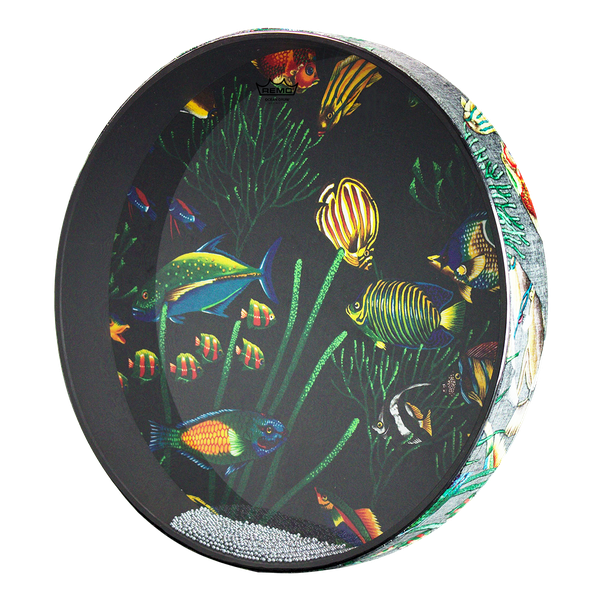
    Ocean drum

    An ocean drum recreates the sound of rolling and crashing waves. Children move to move it around and listen to the sounds and feel the vibrations against the hands. I’ve found the “Remo Ocean Drum” with fish graphics, like the one pictured works best. I find that the 12 inch version works well and it’s a good size for children to hold themselves.

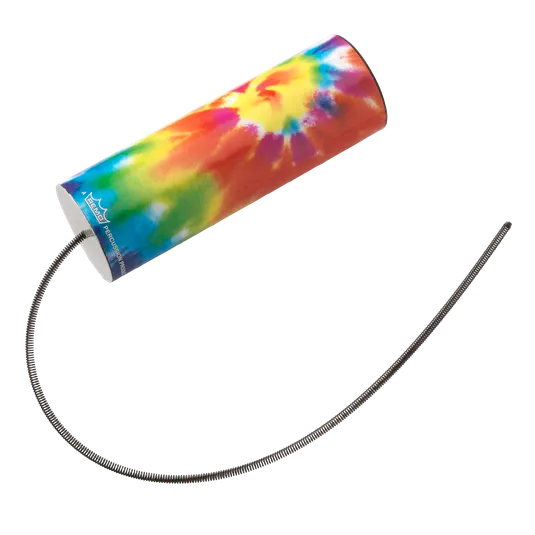
    Thunder Tube

    Shake a thunder tube to recreate the sound of thunder! It can have a very powerful sound and so it’s useful to have an adult to demonstrate it first. I find the pictured “Remo Thundertube (7 inch long)” to be the best option since it is small enough for children to hold themselves.

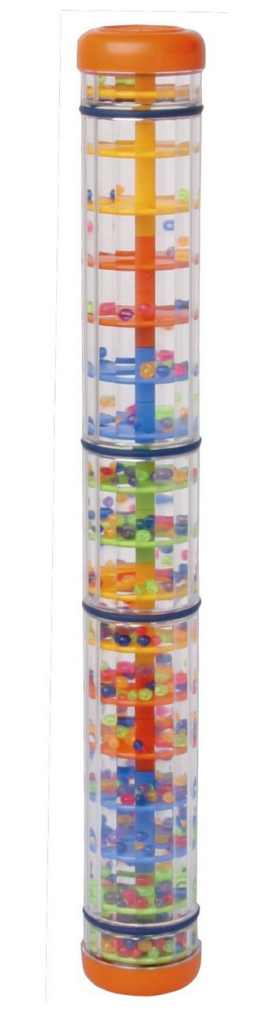
    Rainstick

    This is a traditional Chilean instrument that has been modified to be used as a children’s instrument. Hold it vertical and you can hear the sound of rain! I find the version in the picture is better suited for children as compared to the traditional version due to the shiny beads that move. This version is called the Halilit Rainbomaker.

    These instruments are great as a sensory experience, a relaxing experience or can be used with sea sounds tracks. Here’s a beach track for your use.

    Inquire with your music therapist if you can use your NDIS funding to purchase instruments that fit in your NDIS goals.

    Effective Transition Strategies for Neurodiverse Children

    Transitioning from one activity to another can be challenging for many children, especially those with neurodiverse needs. These transitions often require additional support, as children thrive on familiarity, and sudden changes can feel daunting.

    Musical Cues

    One effective strategy is the use of songs. In music therapy sessions, we often use start and end songs as cues for the children. These songs signal that it’s time to wrap up. You can try this simple tune to the melody of “Frère Jacques”:

    Time to finish, time to finish,
    Time to stop, time to stop.
    We’re gonna do some other things,
    We’re gonna do some other things,
    Off we go, off we go.

    Verbally Preparing for Transitions

    Another effective strategy is to prepare the child for the upcoming transition. I like to start gently reminding them one minute before the last five minutes of an activity. For example, I might say, “We’ll finish music in five minutes” and then follow up with “We have four minutes left.” This approach provides them with processing time to get ready for the change.

    If the child is reluctant to move when zero minutes are left, I give them about one minute of space. I find that allowing them this time, followed by another countdown, works better than pushing them to transition too quickly.

    Share Your Ideas!

    Do you have any tips or strategies that work for you? I’d love to hear your thoughts—please share your ideas in the comments below!

    Encouraging Flexibility in Learning Spaces for Neurodiverse Children

    Generally, pre-school education encourages children to sit on the floor and the school age education encourages sitting on a chair.

    For neurodiverse children and young people, they often use a lot more of their senses. For example, sitting on a floor can allow them to feel the vibrations of a drum.

    Therefore, follow the young person’s lead. Watch if the young person prefers to sit on the floor or chair when engaging in activities. As adults, it may feel different to sit on a floor and not feel “proper.” However, following the child’s lead allows for a better opportunity for the child to engage in ways that they find appropriate.

    What are you thoughts? Pop them in the comments below.

    Best Music for Neurodiverse Children: Balancing Age and Preferences

    It is a balancing act between a child’s physical and functioning age.

    Do you allow older neurodiverse children to listen to nursery rhymes or provide them with age appropriate music? What if they prefer nursery rhymes?

    I found it is useful to allow children to listen to music that they like, as their functioning age often defines what they enjoy.

    However, if you wanted to follow on from nursery rhymes here are some options that I have found work well:

    The Wiggles

    For younger kids, the time-tested attraction of The Wiggles happy and cheerful music is always a hit!

    Mamma Mia Soundtrack

    Something about the joy of this Swedish group, that brings a smile to everyone’s face!

    Michael Jackson

    The king of pop and his toe tapping music gets the groove going!

    Shotgun

    This is a one-hit wonder. But still a song that kids love to sing!

    Your Turn

    Are there any songs that work well for your kids? Share them below in the comments!