Top 3 Instruments with Water Sounds for Children

Children love water! Children love music! So children love…. Instruments that make water sounds!

Here are some instruments I frequently use in music therapy which have water sounds.

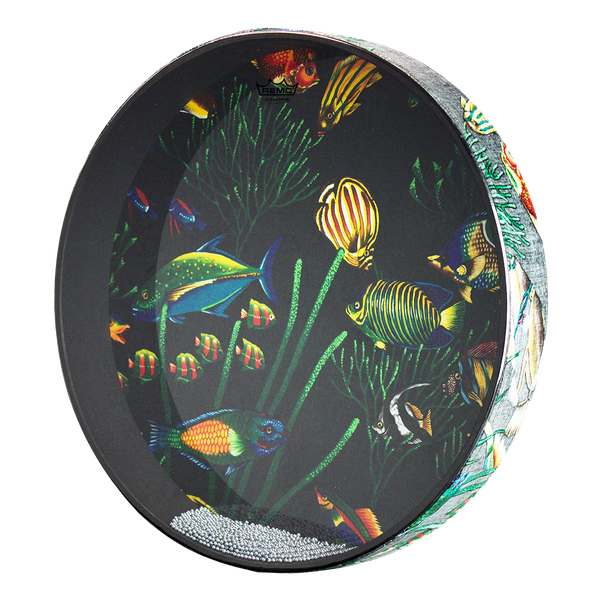
Ocean drum

An ocean drum recreates the sound of rolling and crashing waves. Children move to move it around and listen to the sounds and feel the vibrations against the hands. I’ve found the “Remo Ocean Drum” with fish graphics, like the one pictured works best. I find that the 12 inch version works well and it’s a good size for children to hold themselves.
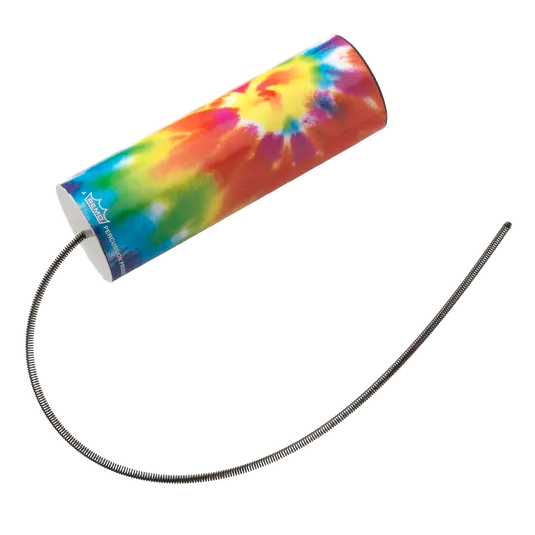
Thunder Tube

Shake a thunder tube to recreate the sound of thunder! It can have a very powerful sound and so it’s useful to have an adult to demonstrate it first. I find the pictured “Remo Thundertube (7 inch long)” to be the best option since it is small enough for children to hold themselves.
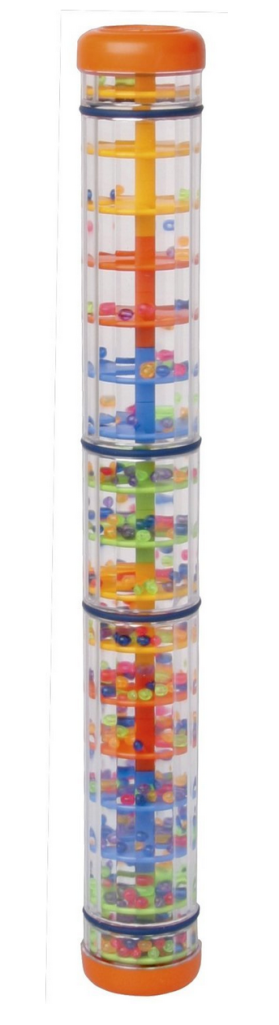
Rainstick

This is a traditional Chilean instrument that has been modified to be used as a children’s instrument. Hold it vertical and you can hear the sound of rain! I find the version in the picture is better suited for children as compared to the traditional version due to the shiny beads that move. This version is called the Halilit Rainbomaker.
These instruments are great as a sensory experience, a relaxing experience or can be used with sea sounds tracks. Here’s a beach track for your use.

Inquire with your music therapist if you can use your NDIS funding to purchase instruments that fit in your NDIS goals.

Effective Transition Strategies for Neurodiverse Children

Transitioning from one activity to another can be challenging for many children, especially those with neurodiverse needs. These transitions often require additional support, as children thrive on familiarity, and sudden changes can feel daunting.

Musical Cues

One effective strategy is the use of songs. In music therapy sessions, we often use start and end songs as cues for the children. These songs signal that it’s time to wrap up. You can try this simple tune to the melody of “Frère Jacques”:

Time to finish, time to finish,
Time to stop, time to stop.
We’re gonna do some other things,
Off we go, off we go.

Verbally Preparing for Transitions

Another effective strategy is to prepare the child for the upcoming transition. I like to start gently reminding them one minute before the last five minutes of an activity. For example, I might say, “We’ll finish music in five minutes” and then follow up with “We have four minutes left.” This approach provides them with processing time to get ready for the change.

If the child is reluctant to move when zero minutes are left, I give them about one minute of space. I find that allowing them this time, followed by another countdown, works better than pushing them to transition too quickly.

Share Your Ideas!

Do you have any tips or strategies that work for you? I’d love to hear your thoughts—please share your ideas in the comments below!

Encouraging Flexibility in Learning Spaces for Neurodiverse Children

Generally, pre-school education encourages children to sit on the floor and the school age education encourages sitting on a chair.

For neurodiverse children and young people, they often use a lot more of their senses. For example, sitting on a floor can allow them to feel the vibrations of a drum.

Therefore, follow the young person’s lead. Watch if the young person prefers to sit on the floor or chair when engaging in activities. As adults, it may feel different to sit on a floor and not feel “proper.” However, following the child’s lead allows for a better opportunity for the child to engage in ways that they find appropriate.

What are you thoughts? Pop them in the comments below.

Best Music for Neurodiverse Children: Balancing Age and Preferences

It is a balancing act between a child’s physical and functioning age.

Do you allow older neurodiverse children to listen to nursery rhymes or provide them with age appropriate music? What if they prefer nursery rhymes?

I found it is useful to allow children to listen to music that they like, as their functioning age often defines what they enjoy.

However, if you wanted to follow on from nursery rhymes here are some options that I have found work well:

The Wiggles

For younger kids, the time-tested attraction of The Wiggles happy and cheerful music is always a hit!

Mamma Mia Soundtrack

Something about the joy of this Swedish group, that brings a smile to everyone’s face!

Michael Jackson

The king of pop and his toe tapping music gets the groove going!

Shotgun

This is a one-hit wonder. But still a song that kids love to sing!

Your Turn

Are there any songs that work well for your kids? Share them below in the comments!

Enhancing Relationships: Eye Contact with Neurodiverse Children

They say the eyes are the window the soul. I have found that this true! I consicously have been making eye contact with the young people I work with who have special needs. I find that when I make eye contact, they have a look of surprise. This is followed by a sudden sense of connection between the young person and myself. It is as if I have suddenly chosen to enter into their world.

Try it out while doing a joint fun activity. For example, sit facing each other and hold hands and sing and move forward and back together to the nursery rhyme, Row Your Boat.” Look towards their eyes and hold you gaze till they make eye contact. Let them hold it for as long as they want and then let it go. Give it about 30 seconds before trying it out again.

If you don’t feel like singing, trying the rowing action to this song:

Young people can sometimes react with fear at making eye contact as they may not be comfortable with others entering their world. So start with just a little eye contact and gradually build it up.

Young people with a visual impairment, may prefer this activity being modified to speaking directly to them and saying their name and singing towards them.

Give it a try! Let me know how the experience went for you in the comments below.