
I’m thrilled to share that my PhD research has been published in the renowned ‘Arts in Psychotherapy’ journal, a leading publication in the field of therapeutic arts. In this article, I explore how families of children with disabilities can be empowered to independently create music with their child at home, offering practical strategies and insightsContinue reading “PhD Research Published: Empowering Families Through Music Therapy”
Tag Archives: communication
2024 NDIS Changes: Music Therapy Still Supported
Music therapy has always been and continues to be a NDIS Funded Support. In late November 2024, the Australian Music Therapy Association (AMTA) was made aware of a leaked decision to remove music therapy as a NDIS support in the absence of any consultation. After sustained advocacy by participants, the AMTA and music therapy professionals,Continue reading “2024 NDIS Changes: Music Therapy Still Supported”
Impact of PhD Research on Families with Disabilities
I have been privileged to be invited to have an article written about my PhD work with families of children with disabilities by Victoria University of Wellington, New Zealand. It highlights the practical nature of my PhD and how I continue to use these skills in my clinical work to help families. Read by theContinue reading “Impact of PhD Research on Families with Disabilities”
Best Microphones for Kids: Enhance Creativity & Confidence
Microphones are effective tools in music therapy for neurodiverse children, enhancing their motivation to produce sounds and boosting their confidence in singing. Two recommended microphones are the Hape Mighty Echo Microphone, a battery-free option, and the Bluetooth Karaoke Microphone, which allows for wireless music play. Both make excellent gifts.
Difference between a Music Therapist and a Music Teacher
A music teacher focuses on teaching the elements of music. The elements of music are pitch (high and low), rhythm (the beat), timbre (the instrument), expression (loud and soft), etc. A music therapist focuses on using music to help people with their emotional, physical, social and cognitive (thinking) needs. Thus a music therapist focuses onContinue reading “Difference between a Music Therapist and a Music Teacher”
Understanding Dementia: The Role of Musical Memories
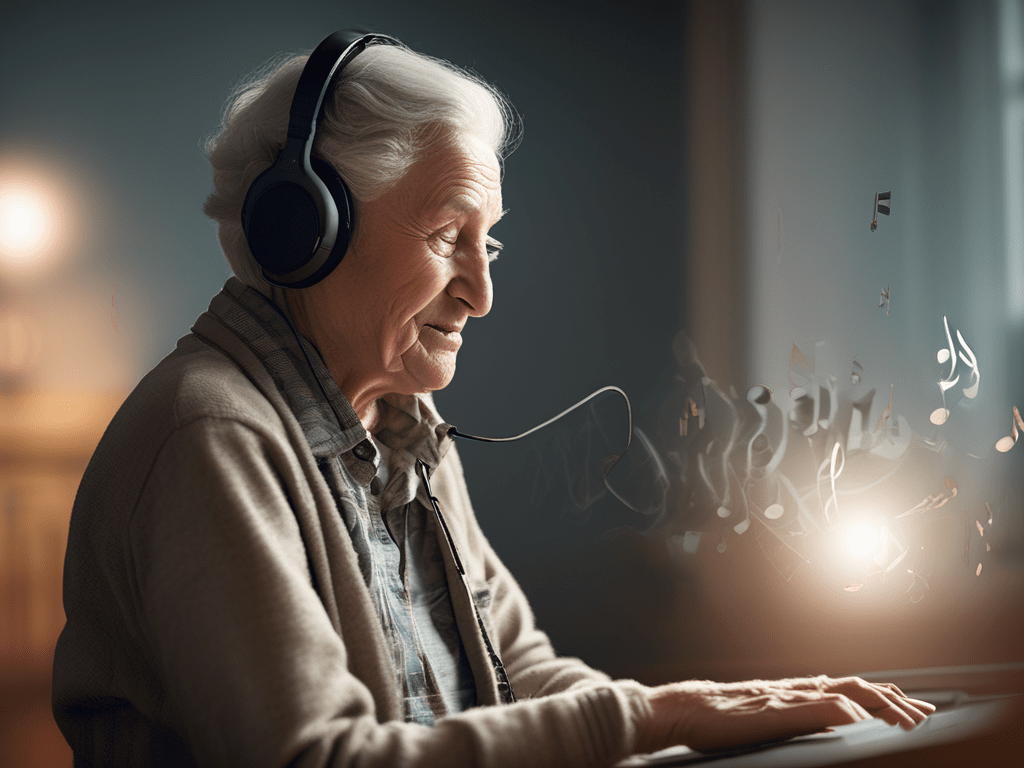
Dementia leads to brain atrophy, affecting various functions while preserving musical memories, which are located in a lasting part of the brain. This raises the significance of music as an emotional expression. Registered music therapists utilize music to enhance emotional well-being and quality of life for dementia patients. Consider contacting one for assistance.
Encouraging Speech Through Music: Tips for Parents

Songs can effectively motivate speech development in children, especially through the use of melody and rhythm. For children with complex neurodiverse needs, focusing on vowel sounds, which are the first produced by infants, is often more beneficial than introducing various speech sounds. A suggested song emphasizes this approach.
Top 3 Instruments with Water Sounds for Children
Children love water! Children love music! So children love…. Instruments that make water sounds! Here are some instruments I frequently use in music therapy which have water sounds. Ocean drum An ocean drum recreates the sound of rolling and crashing waves. Children move to move it around and listen to the sounds and feel theContinue reading “Top 3 Instruments with Water Sounds for Children”
Effective Transition Strategies for Neurodiverse Children
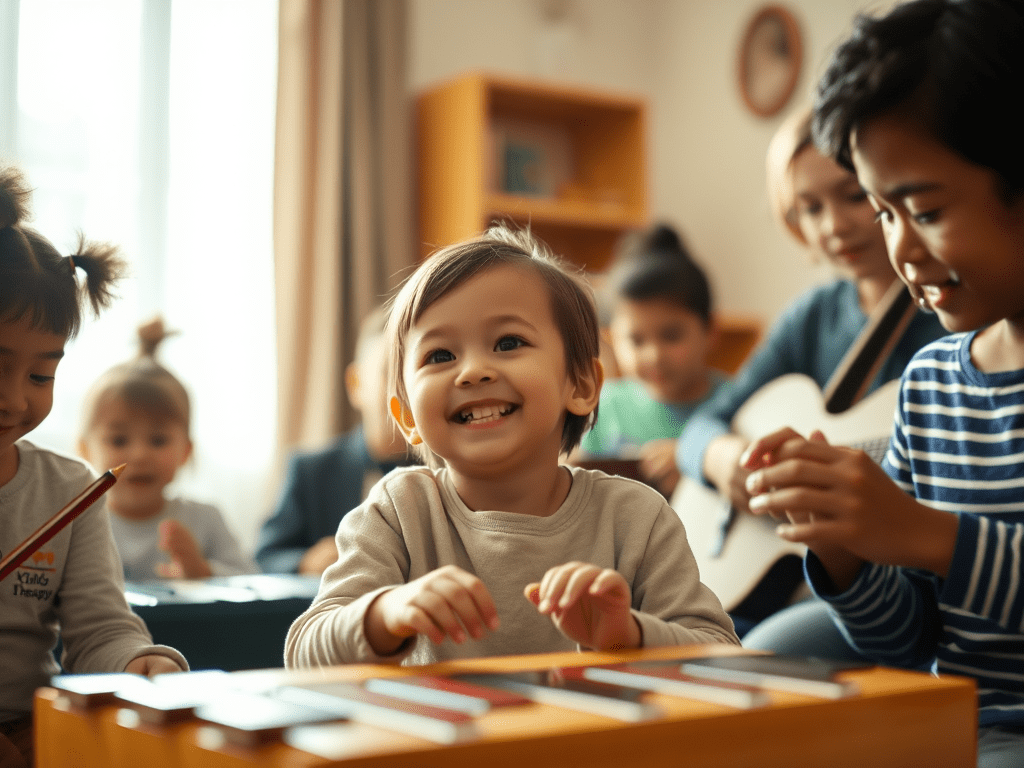
Transitioning from one activity to another can be challenging for many children, especially those with neurodiverse needs. These transitions often require additional support, as children thrive on familiarity, and sudden changes can feel daunting. Musical Cues One effective strategy is the use of songs. In music therapy sessions, we often use start and end songsContinue reading “Effective Transition Strategies for Neurodiverse Children”
Encouraging Flexibility in Learning Spaces for Neurodiverse Children
Generally, pre-school education encourages children to sit on the floor and the school age education encourages sitting on a chair. For neurodiverse children and young people, they often use a lot more of their senses. For example, sitting on a floor can allow them to feel the vibrations of a drum. Therefore, follow the youngContinue reading “Encouraging Flexibility in Learning Spaces for Neurodiverse Children”
 Feel Better Music Therapy