
When someone has a headache, a medical doctor might prescribe paracetamol or Panadol to relieve the pain. But what if we consider why the headache occurred in the first place? Could it be due to financial stress, relationship issues, physical ailments, work pressures, or even the weather? In the realm of music therapy, the approachContinue reading “Music Therapy: A Unique Approach to Ailments”
Author Archives: Ajay Castelino
Why Music Therapy is Essential for Emotional Wellbeing

Do you like listening to music? Why? Music is a non-verbal language that stimulates our emotions. Experiencing the impact of music simply requires listening, without needing to actively engage. Music therapists can take this a step further by using live music to attune to individuals and assist in their emotional expression. Therefore, if you feelContinue reading “Why Music Therapy is Essential for Emotional Wellbeing”
Why Music Therapists Are Skilled Musicians

When I receive inquiries about my music therapy services, I’m often asked, “Do you play any musical instruments?” The answer is a resounding “Yes!” Music therapy is a Masters Degree level program that demands a high level of musical proficiency for admission. Before embarking on their music therapy training, all music therapists must first achieveContinue reading “Why Music Therapists Are Skilled Musicians”
Success of Online Music Therapy: Ajay’s Impact
Since 2020, Ajay has been leading group music therapy online in New Zealand, collaborating with IHC to support disabled children and their families. He has conducted over 200 successful sessions, with 5-20 participants each, and is now offering these sessions in Australia. Ajay is also known as Ahjay Stelino.
It takes time

Building a therapeutic relationship with a person takes time. I find that it takes about 8 weeks of regular weekly sessions before the relationship builds. During this initial time, it can seem like the person isn’t even aware that I am there, or indicates that he or she doesn’t want me there. During these firstContinue reading “It takes time”
Impact of PhD Research on Families with Disabilities
I have been privileged to be invited to have an article written about my PhD work with families of children with disabilities by Victoria University of Wellington, New Zealand. It highlights the practical nature of my PhD and how I continue to use these skills in my clinical work to help families. Read by theContinue reading “Impact of PhD Research on Families with Disabilities”
Best Microphones for Kids: Enhance Creativity & Confidence
Microphones are effective tools in music therapy for neurodiverse children, enhancing their motivation to produce sounds and boosting their confidence in singing. Two recommended microphones are the Hape Mighty Echo Microphone, a battery-free option, and the Bluetooth Karaoke Microphone, which allows for wireless music play. Both make excellent gifts.
Difference between a Music Therapist and a Music Teacher
A music teacher focuses on teaching the elements of music. The elements of music are pitch (high and low), rhythm (the beat), timbre (the instrument), expression (loud and soft), etc. A music therapist focuses on using music to help people with their emotional, physical, social and cognitive (thinking) needs. Thus a music therapist focuses onContinue reading “Difference between a Music Therapist and a Music Teacher”
Understanding Dementia: The Role of Musical Memories
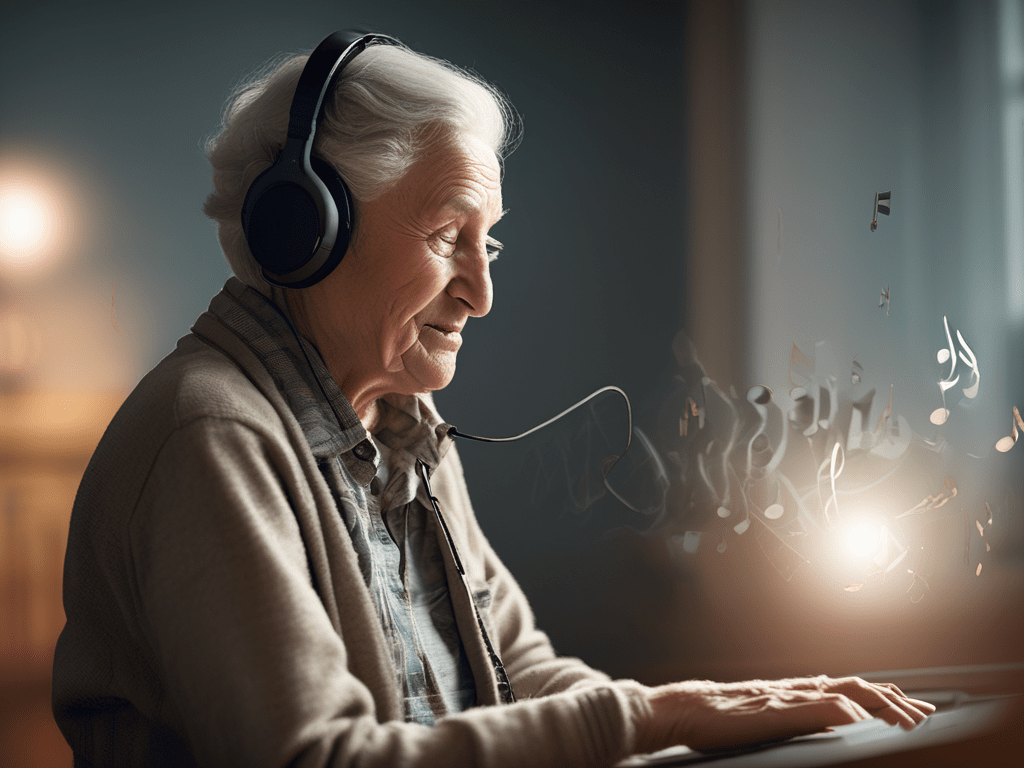
Dementia leads to brain atrophy, affecting various functions while preserving musical memories, which are located in a lasting part of the brain. This raises the significance of music as an emotional expression. Registered music therapists utilize music to enhance emotional well-being and quality of life for dementia patients. Consider contacting one for assistance.
Encouraging Speech Through Music: Tips for Parents

Songs can effectively motivate speech development in children, especially through the use of melody and rhythm. For children with complex neurodiverse needs, focusing on vowel sounds, which are the first produced by infants, is often more beneficial than introducing various speech sounds. A suggested song emphasizes this approach.

